
Wednesday, October 7
Trending
- The Best Black Friday 2024 Plugin Deals For Musicians To Level Up Your Productions In 2025
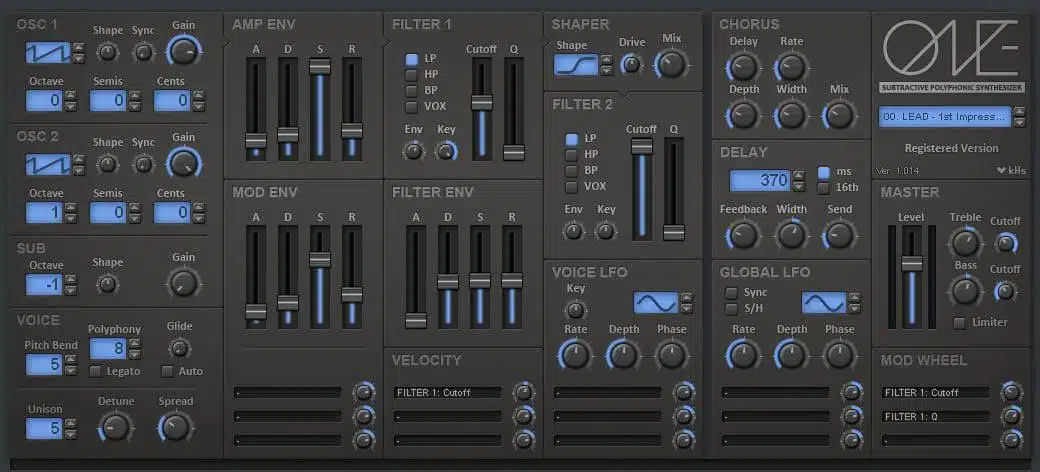
- Kilohearts kHs ONE Synthesizer Is Now Available For Free
- The Best Black Friday 2021 Deals To Level Up Your Productions In 2022
- Review: Arturia Pigments 3
- 21 Of The Best Multi-Effects Audio Plugins 2021
- The 10 Black Friday 2020 Deals For Musicians That We’re Most Excited About
- 16 Of The Best Saturation Plugins In The World 2020
- Sound Design Techniques & Tools Series: Part 10 – Granular Synthesis & Sample Processing


Author: George Robinson

The definitive rundown for 2013 of the very best reverb plugins – for every style and every budget.

What is the ultimate music producers reading list? I’ve brought together books on recording, mixing, mastering, orchestration, film scoring, sound design, EDM and House music production, Pro producer interviews and tutorials, musician and producer biographies, and academic/philosophical writing on the more abstract aspects of music and its construction.

Artifical saturation in the digital environment is a way of introducing some of that life and character – and yes, imperfection – that is inherent in analogue recording. In this sense, every genre and style of music can benefit.

The Dark Knight Rises movie is finally out today, which only just beats the news for music-makers that u-he are releasing a special edition version of their Zebra VST synth featuring patches created/used by Dark Knight trilogy composer Hans Zimmer. Nick-named the Dark Zebra or ZebraHZ, the modified version will feature a soundset of 400 presets created by Zimmer and Howard Scarr over the course of scoring all three films. The Dark Zebra will sell for $99, and require an existing Zebra license. By the way I was just talking yesterday about the brilliant u-he TyrellN6 and Zebralette synths here.…

[adrotate banner=”3″] As promised, this follow-up to the 10 Best Free VST Plugins list (that is, just effects and processors) is all about synths. Some of these synths are early projects from designers who have gone on to work for larger companies making some of the most high-profile VST instruments; others are passion projects from solo sonic adventurers who simply want to share their skills with the music-making community. And some are simply streamlined versions of commercial synths. But what these VST synths have in common, other than price, is that they all have a fantastic sound and great tone-shaping…
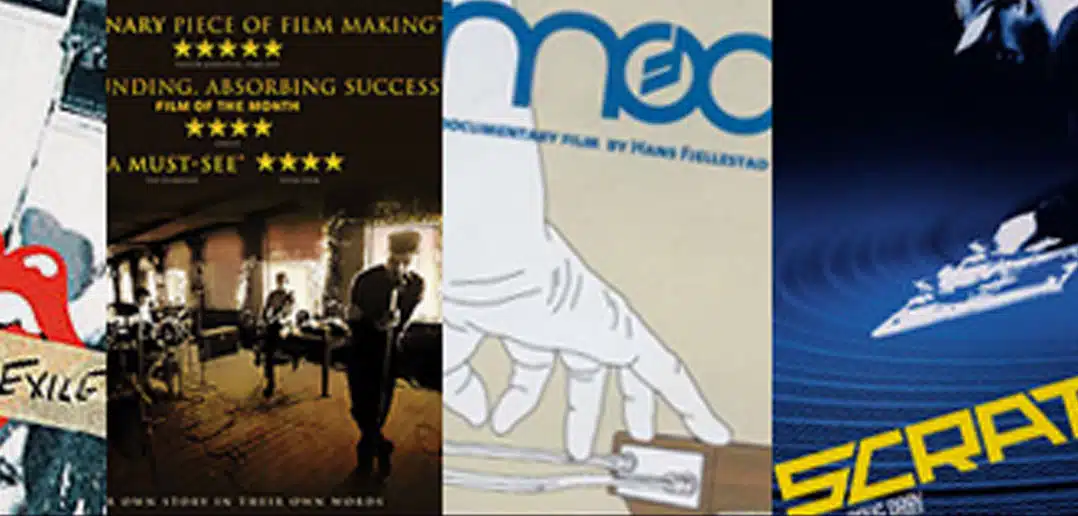
A run-down of the definitive music films for every musician and producers viewing list.

Now we’re getting to the sharp end of using reference tracks effectively. You’ll remember that in Part 1 we looked at the exercise of imitating your favourite reference tracks in order to better understand their construction and generally improve your critical listening and production skills. But how do we launch into this track analysis? Here I’m going to run through some key questions you can use to get to the heart of your reference tracks: 1. Relative balance: How loud are instruments in relation to one another? E.g. how loud are the drums in relation to the bass, or…

In Part 1 we looked at the key ways in which references tracks can really benefit your productions. But how do you choose the right track for the job? Here are 7 steps that will help you pin-point tracks in your collection that would be great references for your own music: 1. Make a distinction between a good reference mix and your favourite track: A good mix will meet certain relatively objective standards of clarity and power, with a balanced frequency response, and should sound good on almost any playback system, from your studio montitors to the car to your…
One of the best uses of your time while learning to mix and produce music is to try and recreate your favourite tracks as closely as possible.
Effective use of reference tracks can literally improve your mixes immediately: suddenly, you’re not fumbling in the dark for a balanced and powerful mix, because you’ll have signposts all the way through the production and mixing process to check that you’re on the right track.